
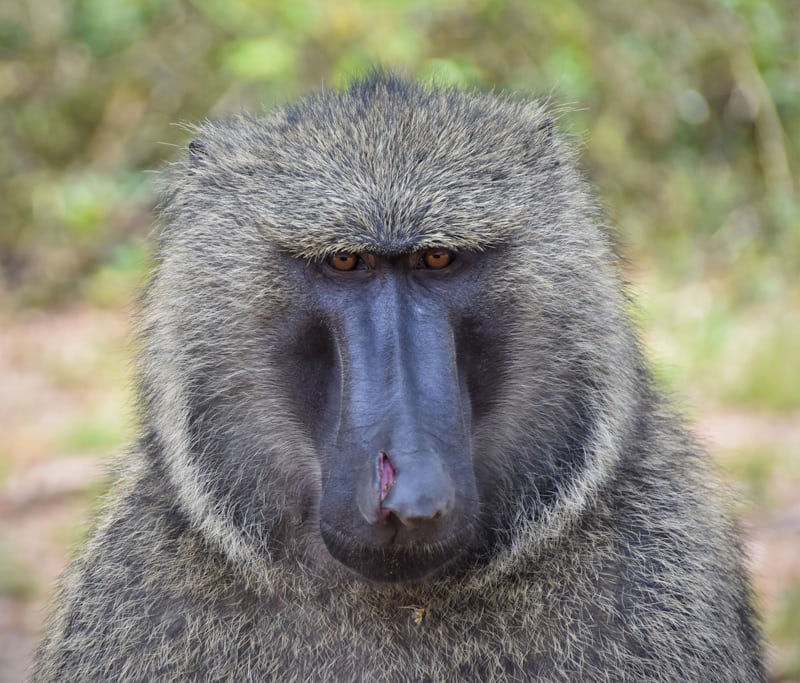
Encountering a massive Silverback in the misty jungles of East Africa is widely considered the most profound wildlife experience on Earth. For international travelers planning this bucket-list adventure, the biggest dilemma often boils down to one critical decision: gorilla trekking Uganda vs Rwanda. Which destination offers the best experience for you?
At Quest of Africa Adventures, we specialize in curating transformative journeys through East Africa. Whether you are looking for adventurous trekking and hiking expeditions in East Africa or a luxury fly-in safari, understanding the nuances between these two primate-rich nations is essential.
In this comprehensive guide, we break down the 7 key differences between trekking in Uganda’s Bwindi Impenetrable Forest and Rwanda’s Volcanoes National Park to help you choose your perfect safari.

1. The Cost: Gorilla Permits and Budgets
When comparing gorilla trekking Uganda vs Rwanda, the price of the trekking permit is often the deciding factor for travelers. Both countries use permit revenue to fund critical conservation efforts, but their pricing strategies cater to different markets.
Uganda: The Affordable Adventure
Uganda is generally more budget-friendly. A standard gorilla trekking permit currently costs $800 per person (for foreign non-residents). This makes Uganda an attractive option for travelers who want to extend their trip to include other activities, such as immersive wildlife expeditions to see Africa’s most iconic animals in Queen Elizabeth National Park.
Rwanda: The Exclusive Luxury Experience
Rwanda has positioned itself as a high-end, low-volume destination. The permit fee is $1,500 per person. This premium pricing ensures exclusivity and funds the expansion of Volcanoes National Park. For travelers seeking a seamless, luxury safari Rwanda experience with shorter travel times, the extra cost is often justified.
Insider Tip: If you are visiting multiple East African countries, check the latest visa regulations on Visit Rwanda to ensure smooth border crossings.
2. The Terrain: Bwindi vs Volcanoes National Park
The physical experience of the trek varies significantly between the two destinations. Your fitness level should play a major role in your choice.

Uganda: The “Impenetrable” Challenge
Bwindi Impenetrable National Park lives up to its name. It is a UNESCO World Heritage site featuring ancient, tangled rainforests on steep mountain ridges. Trekking here is often more physically demanding, involving hiking up and down muddy slopes and hacking through thick vegetation. However, this creates a true sense of adventure and wilderness.
- Elevation: 1,160m – 2,607m
- Vibe: Wild, raw, and dense.
Rwanda: The Bamboo Slopes
Volcanoes National Park is located in the Virunga Mountains. While the altitude is higher, the vegetation consists largely of open bamboo forests. The terrain can be steep, but the undergrowth is generally less dense than in Bwindi, often making the hike slightly easier and the gorillas easier to spot.
- Elevation: 2,500m – 4,000m
- Vibe: Scenic, volcanic, and ethereal.

3. Accessibility and Travel Logistics
How much time do you have? This is a crucial question when analyzing gorilla trekking Uganda vs Rwanda.
Rwanda: Quick and Convenient
Rwanda is famous for its ease of access. Volcanoes National Park is a mere 2.5 to 3-hour drive from Kigali International Airport on paved roads. It is entirely possible to land in Kigali, transfer to the park, trek the next morning, and fly out the following day. This makes Rwanda ideal for travelers with limited time.
Uganda: The Scenic Route
Reaching Bwindi requires more effort, but the journey is part of the charm. It takes about 8 to 10 hours to drive from Entebbe International Airport. However, you can opt for a domestic flight from Entebbe to Kihihi or Kisoro airstrips (approx. 1.5 hours), followed by a short drive to the lodges. We recommend combining the long drive with stops at other destinations to explore the top African safari destinations along the way.

4. The Photography Experience
For photographers, the lighting and vegetation density matter immensely.
- Rwanda: The bamboo forests allow for more light penetration. You are less likely to have leaves obstructing the faces of the gorillas, making for cleaner shots. The backdrop of the misty Virunga volcanoes adds a dramatic element to your mountain gorilla tours.
- Uganda: The thick canopy of Bwindi creates darker, moodier lighting. While it can be challenging, it produces photos that feel deeply wild and intimate. You are truly in the jungle.

5. Biodiversity and Wildlife Variety
Are you looking for just gorillas, or a complete East Africa primate safari?
Uganda: The Primate Capital
Uganda offers superior biodiversity. Bwindi is home to 120 mammal species and over 350 bird species. Furthermore, Uganda is the only place where you can easily combine gorilla trekking with Chimpanzee tracking in Kibale Forest and a classic savannah safari in Queen Elizabeth National Park to see tree-climbing lions.
Rwanda: Golden Monkeys and Specialists
While Rwanda has the Big Five in Akagera National Park, the primary primate add-on in Volcanoes National Park is the rare and beautiful Golden Monkey. Tracking these energetic creatures is a delightful, lighter activity to do the day after your gorilla trek.
6. Accommodation: From Rustic to Ultra-Luxe
Your choice of lodge can define your experience. Both countries offer excellent hospitality, but the style differs.
- Rwanda: Home to some of the most luxurious eco-lodges in the world (e.g., Bisate, Singita). If you want 5-star amenities, private plunge pools, and world-class dining, Rwanda is the leader in high-end tourism.
- Uganda: Offers a wider range of options, from budget camps to high-end luxury lodges. The vibe in Uganda is often more rustic, blending seamlessly with the forest environment. Our tailor-made safari adventures across Uganda and Rwanda can be customized to fit your comfort level and budget.

7. The Verdict: Which Should You Choose?
To summarize the gorilla trekking Uganda vs Rwanda debate:
Choose Rwanda if:
- You have a higher budget ($1,500 permit).
- You have limited time (2-3 days).
- You prefer less strenuous hiking.
- You want ultra-luxury accommodation.
- You want to combine the trip with a visit to the Genocide Memorial in Kigali.
Choose Uganda if:
- You are budget-conscious ($800 permit).
- You enjoy adventurous, physical hiking.
- You want to see Chimpanzees and Big Five wildlife on the same trip.
- You have more time to explore the country.
- You prefer a wilder, “Jungle Book” atmosphere.
Best Time to Visit
Both Uganda and Rwanda are year-round destinations, but the dry seasons are best for trekking:
- June to September: Peak season, less rain, firmer ground.
- December to February: Dry and excellent for birding.
- March to May / October to November: Rainy seasons. Trekking is harder due to mud, but permits are always available, and lodges may offer discounts.
For updated weather patterns and travel advice, resources like SafariBookings and Magical Kenya (for regional context) provide great data.
Ready to Plan Your Adventure?
Whether you choose the misty volcanoes of Rwanda or the dense forests of Uganda, meeting a mountain gorilla is a life-changing event. At Quest of Africa Adventures, we handle all the logistics—from securing permits to arranging luxury transport—so you can focus on the magic of the moment.
Explore our Quest of Africa Adventures travel packages today and let us take you deep into the heart of Africa.