
Safaris in Untouched Nature: Kenya’s Wildest Luxury Escape
Safaris in untouched nature begin the moment Kenya’s warm air hits your skin and acacia scent drifts through the car window. You hear weaver birds chattering, then—suddenly—silence as your guide slows for fresh lion tracks. If you crave true wilderness with comfort, Kenya delivers it in style.
Kenya feels cinematic because the wild still runs the show. However, the best trips don’t happen by accident. You need the right season, the right conservancy, and a pace that lets you breathe.
Why Safaris in Untouched Nature Is the Experience of a Lifetime
Safaris in untouched nature give you something rare: space. Instead of a crowded lineup of vehicles, you watch elephants cross a golden plain with only wind and distant grunts as company. Consequently, every sighting feels personal, like the bush chose you.
Kenya also blends raw wilderness with polished hospitality. You sip a sundowner while the sky turns copper, then return to a candlelit tent and a hot shower. Even better, many conservancies fund community projects, so your journey supports the people who protect the land.
Best Time to Visit
Kenya offers strong year-round safari, yet timing changes the story. Choose your season based on what you want to feel—dusty drama, green calm, or big-river crossings.
- July to October (Dry season): Best for the Masai Mara migration and crisp game viewing. Nights feel cool, while days stay bright and clear.
- January to March (Short dry season): Hotter, excellent visibility, and many newborns in the savannah.
- April to May (Long rains): Lush landscapes and fewer visitors, plus great photographic skies.
- November to December (Short rains): Fresh greenery, good deals, and fewer crowds, although showers appear in bursts.
If you want “untouched” to feel truly untouched, aim for shoulder seasons. Moreover, pairing safari with coast time works beautifully when the weather stays warm and the sea remains calm.
What to Expect: Wildlife & Landscapes
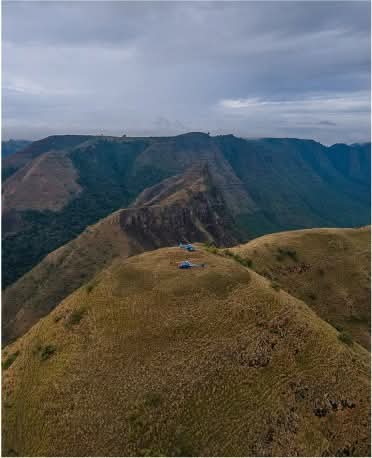
Kenya’s wildlife feels immediate and close because habitats vary fast. One morning you glide through misty highlands, and by lunch you roll into sun-baked plains where zebras shimmer like mirages. As a result, your camera stays busy, and your senses stay awake.
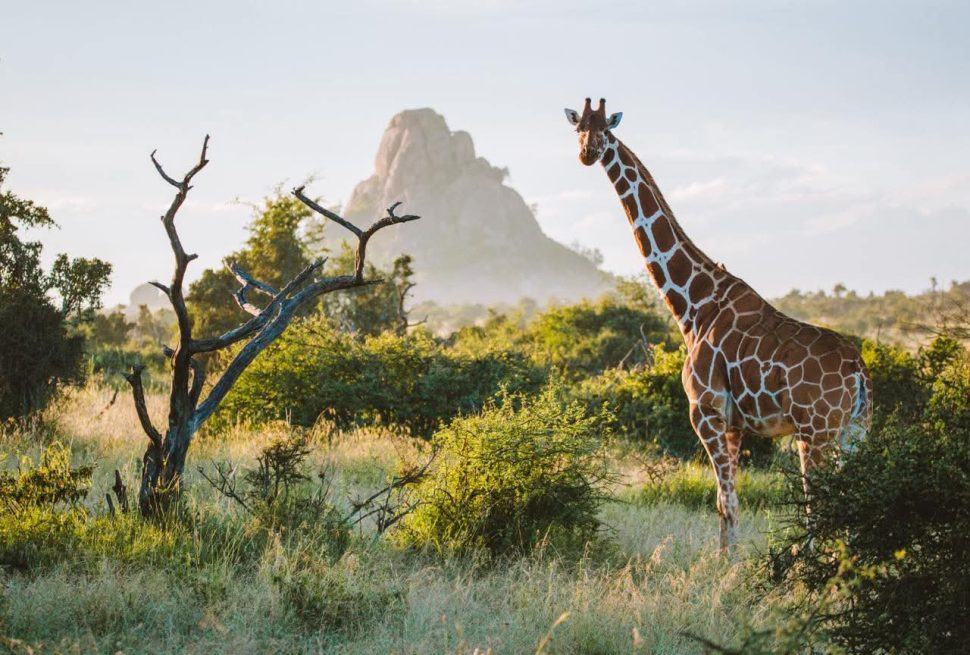
You can spot the Big Five in many areas, yet Kenya’s magic lives in the details. Listen for hippos chuckling after dark, watch giraffes chew slowly like they own time, and smell rain on dust before a storm breaks. For a curated overview of routes and regions, explore our Kenya safari destinations.
If you prefer exclusivity, choose conservancies bordering major parks. These private areas often limit vehicle numbers, allow off-road driving, and offer night game drives. Therefore, your conservancy safari experience often feels more intimate than the main park roads.
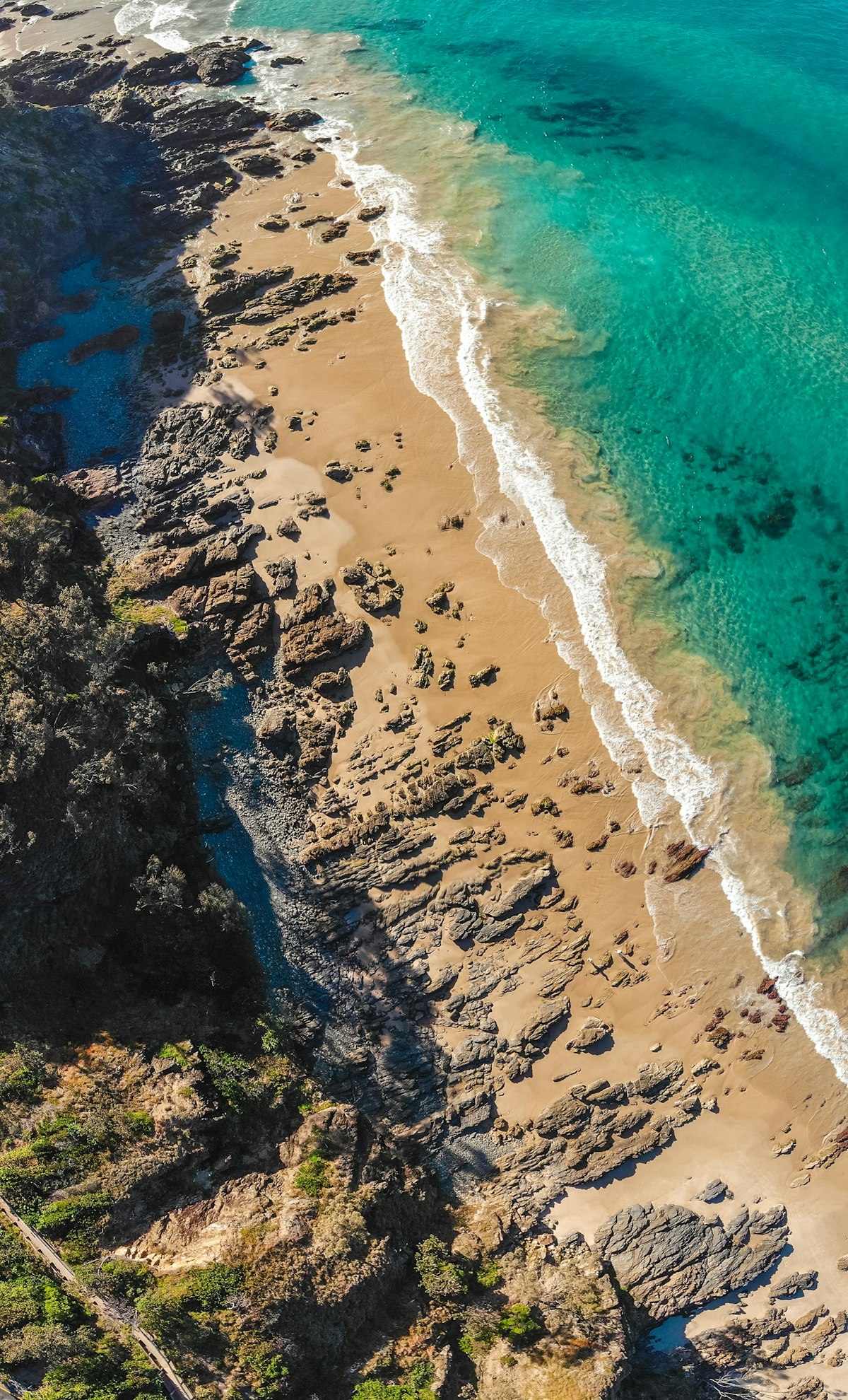
Kenya also pairs bush with beach in a way few countries can match. After tracking leopards at dawn, you can be snorkeling above coral gardens a day later. That’s why Kenya beach and safari itineraries feel like two dream vacations stitched into one.
Top Experiences You Cannot Miss
Start with a sunrise game drive when the air still tastes cool and clean. Predators move with purpose then, and the light paints everything in soft gold. For inspiration on national highlights and events, browse Magical Kenya as you build your wish list.
Next, chase the drama of the Mara when the Masai Mara migration swells the plains. You may witness a river crossing, or you may simply watch thousands of wildebeest graze like a living tide. Either way, you feel the earth vibrate under hooves, and it’s unforgettable.
Add a walking safari in a conservancy for a different kind of thrill. Your guide points out crushed grass, dung that’s still warm, and tiny beetles that keep the ecosystem running. Suddenly, safaris in untouched nature become less about “seeing animals” and more about understanding a living world.
Finally, end your trip with the coast—Diani, Watamu, or Lamu—where the ocean air tastes salty and sweet. You trade safari dust for soft sand, then fall asleep to waves instead of hyenas. If you want deeper planning ideas across the region, Tanzania Tourism can help you compare East African seasons and styles.
For travelers who want privacy, book a private safari Kenya style with a dedicated vehicle. That way, you linger longer at sightings, stop for photos when the light turns perfect, and move at your rhythm. To explore options, see our handpicked Kenya safari tours.
Where to Stay: Camps & Lodges
Kenya’s best stays blend comfort with closeness to the wild. In a good tented camp, you hear lions calling while you brush your teeth, yet your bed feels crisp and inviting. As a result, a Kenya luxury safari never feels detached from nature.
Choose conservancy camps for a quieter feel and stronger guiding access. Many include night drives, bush dinners, and fewer vehicles at sightings, which protects that “untouched” feeling. For thoughtfully bundled stays and routes, browse our safari packages in Kenya.
If you plan a beach extension, pick lodges that time your transfers smoothly. You don’t want to waste a day in transit when you could be watching dolphins offshore. Our team can also build a seamless bush-to-coast flow through our tailored safaris.
Practical Travel Tips
Smart preparation turns a good safari into a great one. These tips help you stay comfortable, safe, and ready for every moment.
- Pack neutral clothing, yet bring one warm layer for early mornings.
- Use a soft duffel bag, because light aircraft often limit hard suitcases.
- Carry binoculars; they transform distant movement into crisp detail.
- Bring a power bank and plug adapter for charging cameras and phones.
- Tip guides and camp staff thoughtfully; they shape your entire experience.
- Choose reef-safe sunscreen if you add a beach extension.
- Drink water constantly, especially in hotter months and at altitude.
- Buy travel insurance that covers medical evacuation and trip delays.
For comparing lodges and routes across budgets, you can research on Safari Bookings before you finalize your plan. If you prefer a broader Africa planning lens, Lonely Planet Africa also offers practical background reading.
Remember: safaris in untouched nature reward patience. So, slow down, watch longer, and let the bush reveal patterns you’d miss if you rush.
How to Get There
Most international travelers fly into Nairobi (NBO) and connect onward by road or light aircraft. Light flights feel effortless and scenic, and they drop you close to prime wildlife zones. Therefore, you spend more time tracking animals and less time commuting.
If you’re combining safari and beach, you can route through Nairobi or connect via Mombasa (MBA) depending on the coast region you choose. We’ll match your flights, transfers, and camp schedule to keep it smooth. When you’re ready, use our easy booking page to start locking in dates.
Your Perfect Itinerary
This 9-day plan balances iconic Kenya with quieter, wilder spaces. It also keeps the pace luxurious, so you feel restored, not rushed.
1) Day 1: Arrive Nairobi
You land, breathe in the highland air, and settle into a stylish hotel. Then, you enjoy an easy dinner while your guide briefs you on the week ahead.
2) Day 2: Fly to a Mara conservancy
You lift off over patchwork farms, then descend into wide-open savannah. After lunch, you take your first game drive as the light turns honey-gold.
3) Day 3: Full day Mara wildlife
You track big cats early, then pause for brunch back at camp. Later, you follow herds to water, listening for alarm calls that hint at predators nearby.
4) Day 4: Walking safari + sundowner
You walk with expert guides and feel the ground story under your boots. In the evening, you toast the sunset while hyenas whoop in the distance.
5) Day 5: Fly to Laikipia (or another private wildlife area)
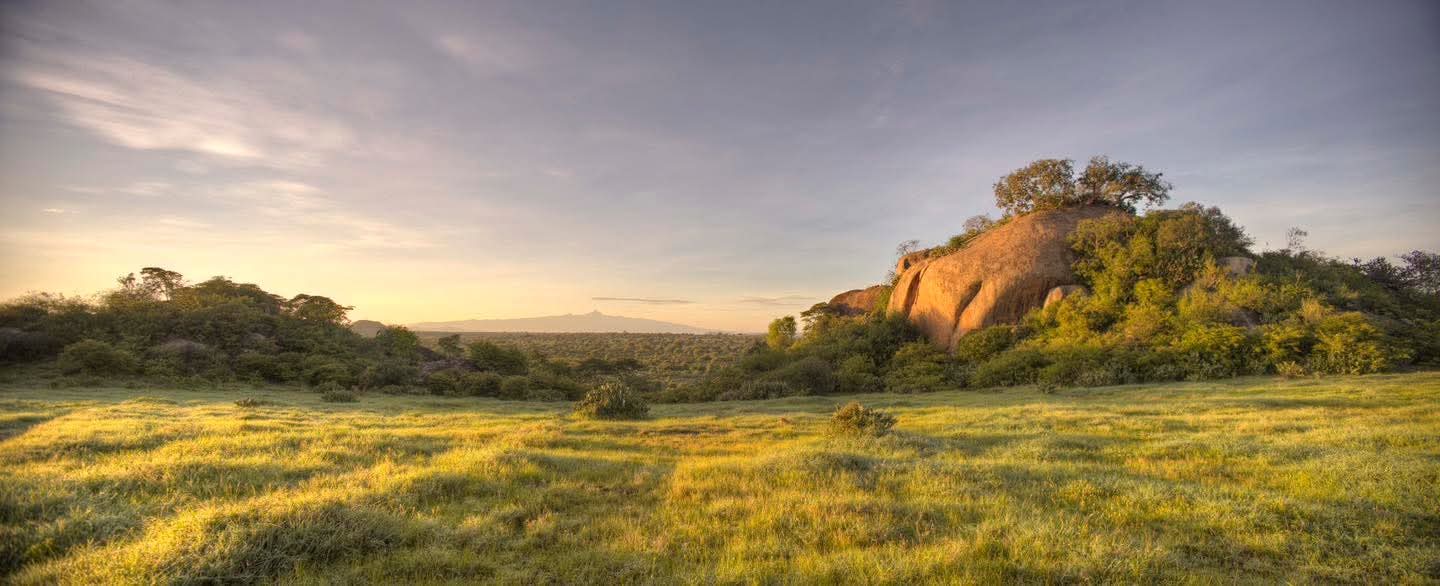
You trade open plains for rugged beauty and fewer vehicles. Consequently, safaris in untouched nature feel even more personal, with sightings that unfold in quiet.
6) Day 6: Community + conservation experiences
You visit a local project or meet rangers who protect wildlife corridors. Then, you end with a night drive where eyeshine flashes like stars in the grass.
7) Day 7: Fly to the Kenyan coast
You arrive to warm sea air and palm shadows, and your shoulders drop instantly. Afterward, you walk the beach as the sky blushes pink.
8) Day 8: Ocean day
You snorkel, sail, or simply lounge with fresh seafood and tropical fruit. Because you’ve earned it, you do absolutely nothing for a while.
9) Day 9: Depart
You enjoy a final breakfast with salt air on the breeze. Then, you head to the airport refreshed, already planning your return.
Final Thoughts
Safaris in untouched nature are Kenya’s greatest luxury: wild space, wild sound, and wild beauty—without sacrificing comfort. If you want a journey that feels exclusive, ethical, and deeply alive, now is the time to plan. Reach out today and let Quest of africa design it for you via our contact page.