
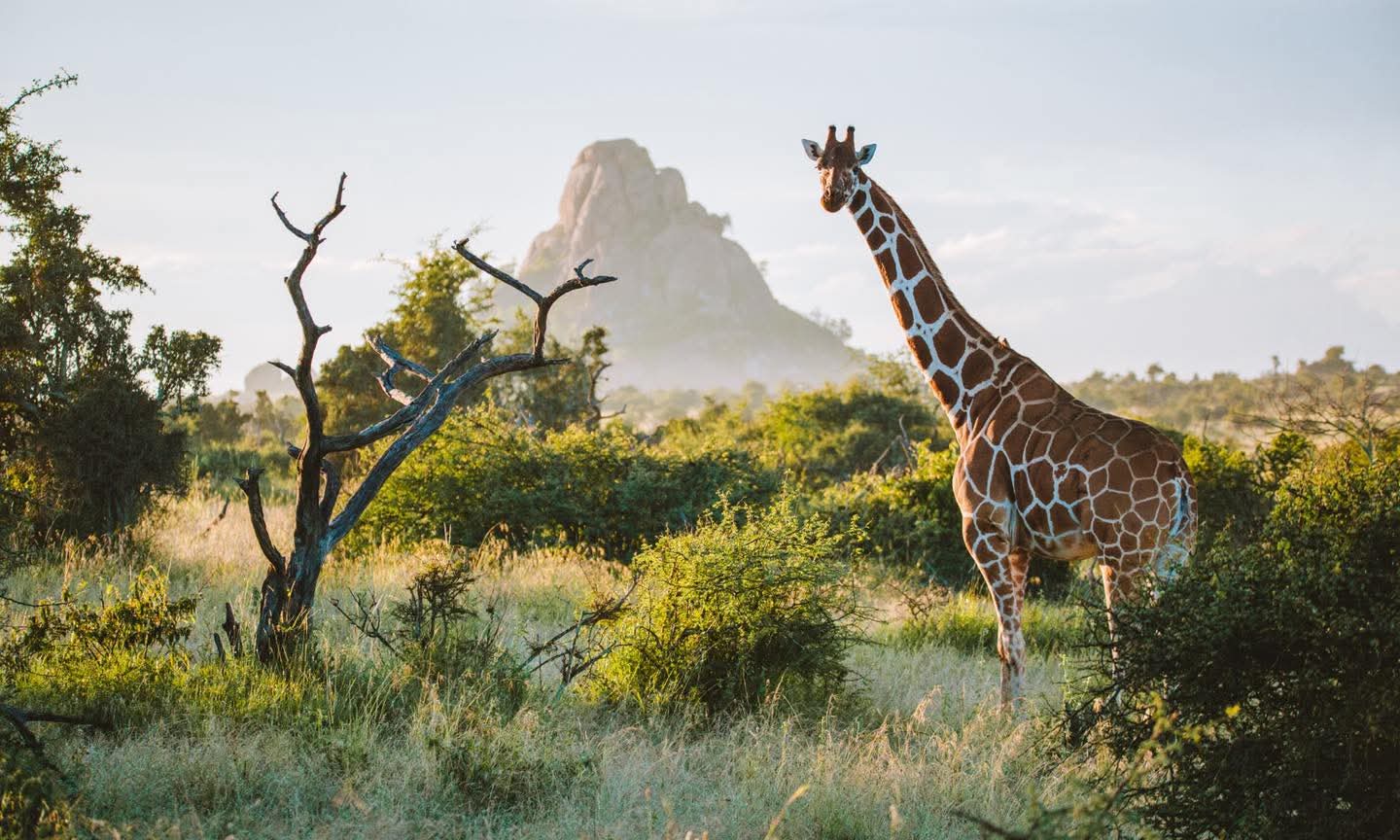
Tanzania Safari Price: The Real Cost of a Dream Trip
Tanzania safari price is the first question smart travelers ask before they picture lions in golden grass and sundowners under acacia trees. You want the real numbers, plus what actually changes the final bill. Let’s break it down clearly, so you can plan with confidence and travel in style.
You’ll also learn when to go, where to stay, and how to pair your safari with a silky Zanzibar beach extension. Along the way, I’ll share practical tips that protect your budget without sacrificing the “wow” moments.
What Is Tanzania Safari Price? (The Experience)
Tanzania safari price is the total cost of your safari experience, including park fees, guiding, vehicles, accommodation, meals, and logistics. It matters because Tanzania’s world-class conservation areas come with real operating costs, and value depends on what you include.
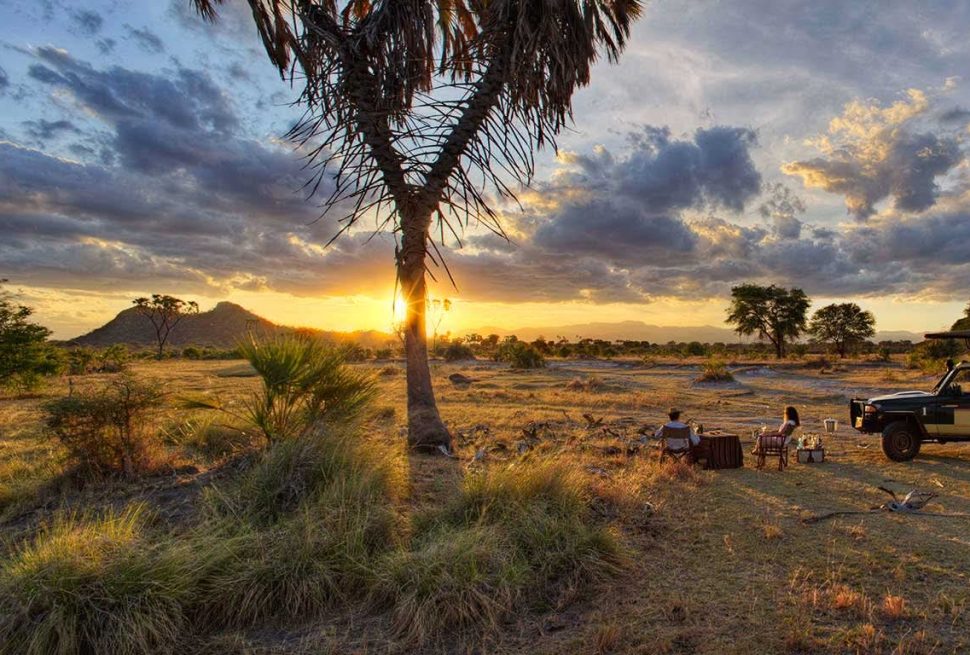
Imagine a cold morning in the Serengeti, breath visible as your guide tracks fresh paw prints. Then the day warms, dust glows in the sun, and you hear a lion’s low call carry across the plains.
Why You Must Experience Tanzania Safari Price
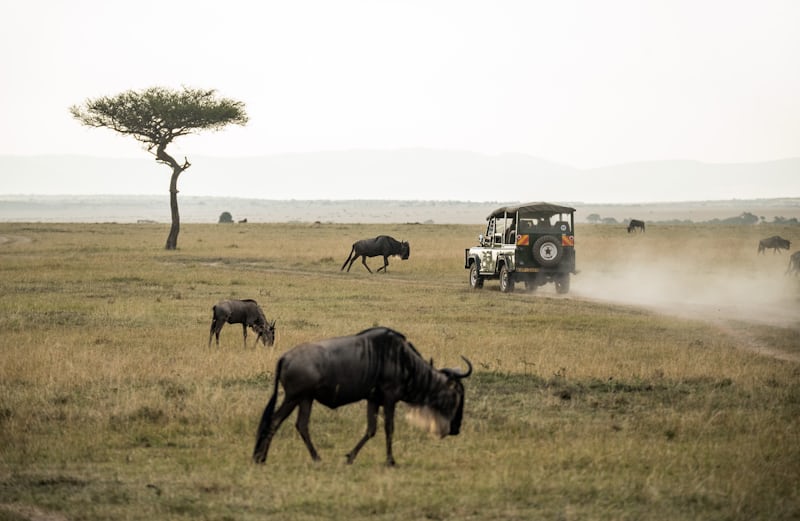
You don’t pay for “a drive in the bush.” You pay for a front-row seat to nature’s greatest theatre—migration herds, big cats hunting, and landscapes that look painted by sunlight.
Moreover, Tanzania rewards you with variety in one trip: Serengeti scale, Ngorongoro drama, Tarangire’s elephant kingdom, and then soft sand if you add the coast. That mix makes the Tanzania safari price feel like a complete, once-in-a-lifetime investment.
When Is the Best Time to Visit Tanzania Safari Price?
The best time depends on what you want to see and how you want the Tanzania safari price to behave. Generally, dry season (June to October) offers easier wildlife spotting and premium demand, while green season (November to May) can deliver lower rates, newborn wildlife, and lush scenery.
However, the Great Migration shifts throughout the year, so “best” is personal. If you match your dates to your priority—river crossings, calving, fewer crowds—you get far better value.
- January: Calving season begins in the south; great light and baby animals.
- February: Peak calving; predators follow herds closely.
- March: Lush landscapes; some camps offer shoulder-season value.
- April: Long rains; quieter parks and occasional lodge deals.
- May: Green season fades; prices start to rise as roads improve.
- June: Dry season starts; excellent overall wildlife viewing.
- July: Migration builds; high demand and higher costs.
- August: River crossing hype; premium Tanzania safari price weeks.
- September: Dry, clear, and consistent game viewing.
- October: Warm and dry; good sightings before short rains.
- November: Short rains; fewer crowds and often better rates.
- December: Festive peak dates increase costs, especially mid-month onward.
Where to Go: Top Locations & Camps
Tanzania’s “Northern Circuit” is the classic first safari for a reason, and it fits most budgets with smart routing. Start by exploring options on our Tanzania safari destinations page, then choose parks that match your must-see list.
Serengeti gives you wide-open space and iconic predator action, while Tarangire brings elephant herds and baobabs. Ngorongoro adds a cinematic crater floor where wildlife concentrates like nowhere else.
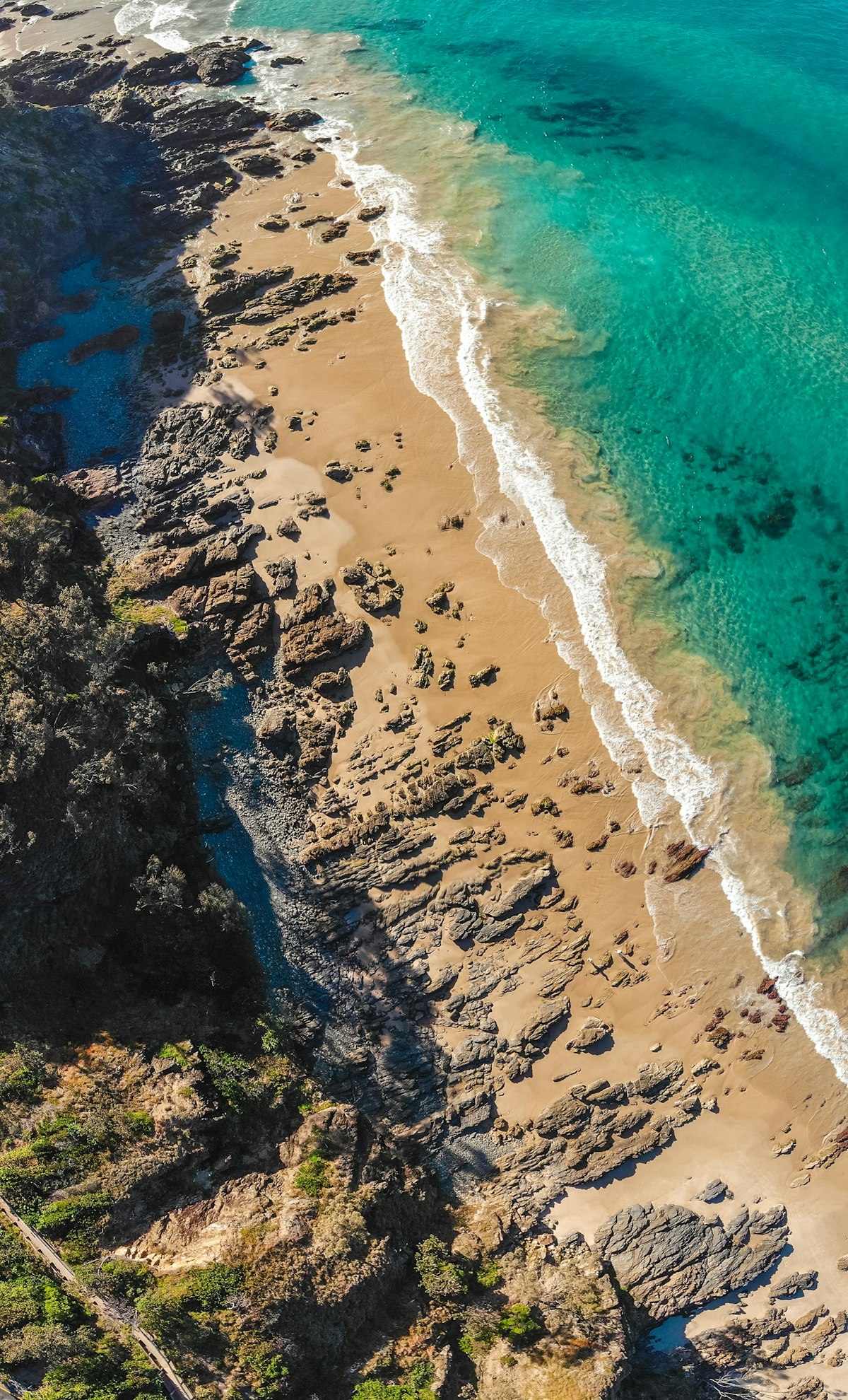
For planning inspiration and official travel context, the national overview at Tanzania Tourism helps you understand regions and seasons. Then, you can decide between lodges (more comfort, often higher cost) and tented camps (more immersive, sometimes excellent value).
If you’re comparing camp styles, remember this: location often matters more than thread count. A well-placed camp can reduce drive time, increase sightings, and improve the “cost per unforgettable moment.”
What to Expect: Wildlife & Experiences
Expect big wildlife variety: lions, leopards, cheetahs, elephants, buffalo, giraffes, hippos, and vast birdlife. Additionally, Tanzania’s landscapes shift fast—from crater walls to endless plains to riverine forests—so every day feels new.
Your experiences can include sunrise game drives, sundowners, walking safaris in selected areas, and cultural visits near the parks. If you add a Zanzibar beach extension, your safari rhythm slows into ocean breezes, spice scents, and warm water swims.
Practical Travel Tips: What to Bring & Do
The easiest way to control Tanzania safari price is to avoid expensive mistakes. Pack smart, choose the right season for your priorities, and book with clear inclusions.
- Bring soft duffel luggage, because small aircraft have strict baggage rules.
- Pack neutral layers for cold mornings and hot afternoons.
- Carry USD cash in small notes for tips and small purchases.
- Use binoculars, especially in the Serengeti where sightings can start far away.
- Buy travel insurance that covers medical evacuation and trip delays.
- Choose private vs shared vehicle intentionally; private costs more but gives full flexibility.
- Compare itinerary value on Safari Bookings to understand market ranges before you commit.
- Add a buffer night in Arusha if your international flight lands late or during rainy season.
How to Get There: Step-by-Step
Most travelers fly into Kilimanjaro International Airport (JRO) or Dar es Salaam (DAR), then connect to Arusha for the Northern Circuit. If you’re short on time, you can also fly straight into the Serengeti on a light aircraft and start game viewing the same day.
Next, your operator arranges private transfers, park-entry timing, and your 4×4 with a professional guide. To simplify logistics, browse our curated safari tours and choose a route that avoids unnecessary backtracking.
Finally, if Zanzibar is on your wish list, you’ll typically fly from the Serengeti or Arusha to Zanzibar. That flight often feels like a “scene change” from dust-and-gold to turquoise-and-white.
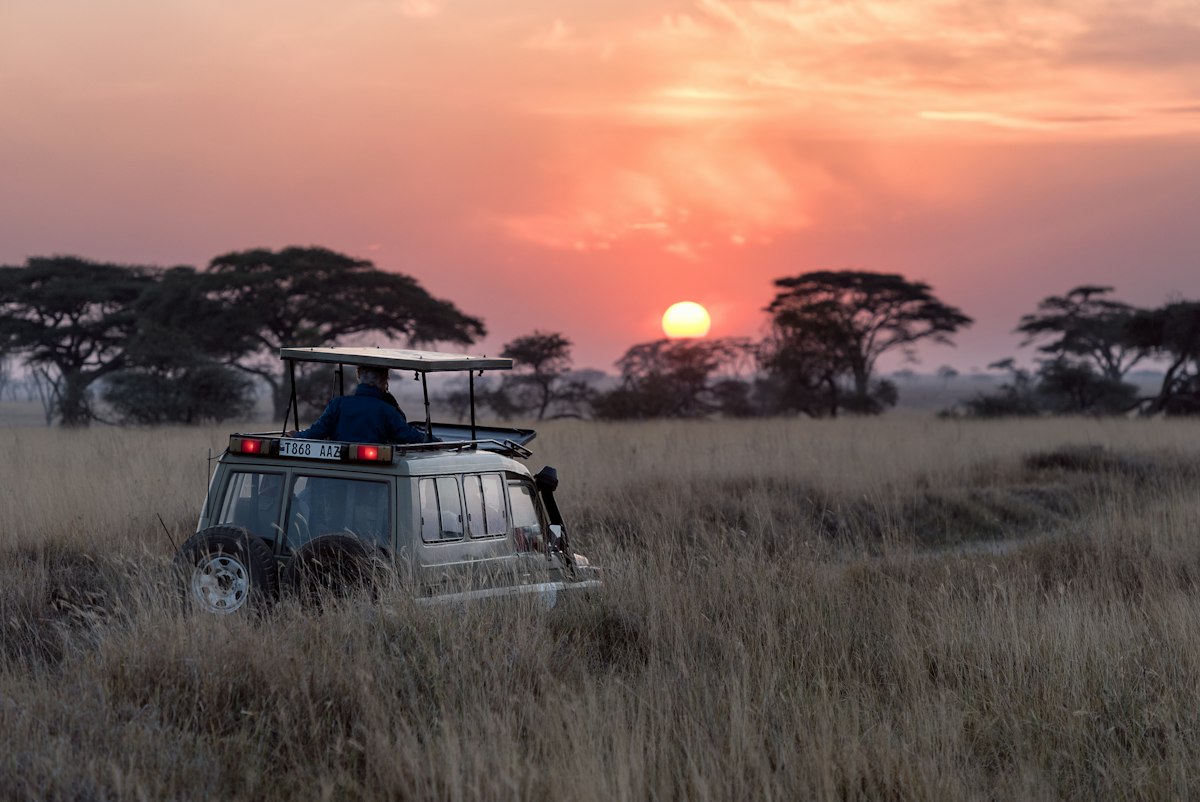
Your Perfect Itinerary
This 8-day flow balances iconic parks and comfort, while keeping the Tanzania safari price efficient through smart driving distances. You can upgrade to luxury safari Tanzania standards or scale down with excellent mid-range camps.
1) Day 1: Arrive Arusha
Land, exhale, and enjoy a relaxed evening with a safari briefing. Your guide checks your preferences so the trip feels tailored from the start.
2) Day 2: Tarangire National Park
Drive into baobab country for elephants, big tuskers, and classic savannah scenes. Later, settle into camp as night sounds ripple through the trees.
3) Day 3: Ngorongoro Highlands
Travel to the cooler highlands and enjoy scenic viewpoints. This is also a great day for a cultural stop if you want context beyond wildlife.
4) Day 4: Ngorongoro Crater (Crater Day)
Descend early for a full crater safari, where the density of animals feels unreal. Your Ngorongoro Crater fees are a major line item, yet the “one-day wonder” factor is hard to beat.
5) Day 5: Serengeti Central
Head into the Serengeti as the landscape opens into big sky and bigger horizons. In the evening, you often catch cats on the move as temperatures drop.
6) Day 6: Serengeti (Full Day)
Spend the day following action and adjusting plans based on what’s happening right now. This flexibility is why a strong guide adds more value than any fancy brochure.
7) Day 7: Fly to Zanzibar (Beach Reset)
Trade game drives for ocean air and slow breakfasts. A Zanzibar beach extension turns your safari into a complete safari-and-sea honeymoon-style escape.
8) Day 8: Zanzibar leisure + depart
Swim, sail, or explore Stone Town depending on your taste. Then depart with the kind of memories that replay in your head on quiet days back home.
Tanzania Safari Price Breakdown (What You Really Pay For)
A Tanzania safari price typically falls into four big categories: parks & conservation fees, accommodation, transport, and guide & operations. When you understand these pillars, quotes stop feeling mysterious.
First, park fees can be significant, especially for premium zones and crater access. Second, accommodation can range from comfortable mid-range lodges to ultra-luxury camps with private plunge pools and personal butlers.
Third, transport includes your 4×4, fuel, maintenance, and sometimes flights if you “fly-in” to the Serengeti. Finally, guiding and operations cover professional staffing, safety standards, and the behind-the-scenes logistics that keep your trip smooth.
Typical Tanzania Safari Price Ranges (Per Person)
Prices change by season, lodge tier, and whether you choose private or shared. Still, these ranges help you plan realistically, especially if you’re comparing Serengeti safari cost options.
- Budget camping (shared, basic): often $200–$350 per day
- Mid-range lodge/camp (good comfort): often $350–$650 per day
- Luxury safari Tanzania (high-end): often $700–$1,200+ per day
- Ultra-luxury private experiences: often $1,500+ per day
These are planning ranges, not a promise, because inclusions vary. For example, one quote may include internal flights and premium drinks, while another doesn’t.
What Makes Tanzania Safari Price Go Up or Down?
Season is the biggest lever, so traveling in shoulder months can save money without sacrificing wildlife. Also, fewer park moves reduce driving time and fuel costs, which helps the final Tanzania safari price.
Private vehicles increase comfort and control, yet shared vehicles can reduce spend for solo travelers. Likewise, staying inside the park can cost more, but it can also save hours of commuting, which improves your experience.
How to Get the Best Value Without “Going Cheap”
Choose experiences you’ll remember, not line items that look impressive on paper. A well-designed itinerary with fewer long drives often beats a “checkbox safari” that rushes you through too many parks.
Also, ask for a transparent quote with clear inclusions: park fees, meals, water, transfers, and taxes. When you compare apples to apples, the right Tanzania safari price becomes obvious.
For inspiration, explore our Tanzania safari packages and see what matches your pace. Then, if you want a tailor-made plan, use our book your safari request form to get a fast, detailed proposal.
Common Questions Travelers Ask About Tanzania Safari Price
“Is Tanzania more expensive than Kenya?” Often yes, especially for certain parks and high-demand migration periods. Still, the Serengeti scale and the crater experience can deliver exceptional value per day.
If you’re comparing regions, browse the inspiration on Magical Kenya for a sense of what differs. Then, decide based on your dream sightings, preferred comfort, and travel time.
“How many days do I need?” For a first trip, 6–9 days usually feels right, especially if you want Serengeti plus Ngorongoro. Add 3–5 nights for Zanzibar if you want a true safari-and-beach blend.
“Can I do Tanzania on a tighter budget?” Yes, if you travel in green season, pick fewer parks, and use shared logistics. However, don’t undercut guiding quality, because that’s where your sightings often come from.
For additional planning ideas across the continent, Lonely Planet Africa can help you think through timing and travel style. Then come back and we’ll tailor your Tanzania route to your priorities.
Final Thoughts
Tanzania safari price becomes easy to love when you see what’s included: protected wilderness, expert guiding, and days that feel like a documentary you get to step into. Choose your season, pick the right parks, and spend where it truly improves the experience.
Ready to turn numbers into a real plan? Reach out via our contact page and we’ll design a safari-and-beach itinerary that fits your style and timeline.