
Giraffe Rescue Kenya: A Moving Safari Story in the Mara
Giraffe rescue Kenya is not a slogan—it’s a real-life race against time that happens while most of the world sleeps. You come to Kenya for golden savannahs and big skies, yet you leave with something deeper: respect for the people who protect wildlife every day.
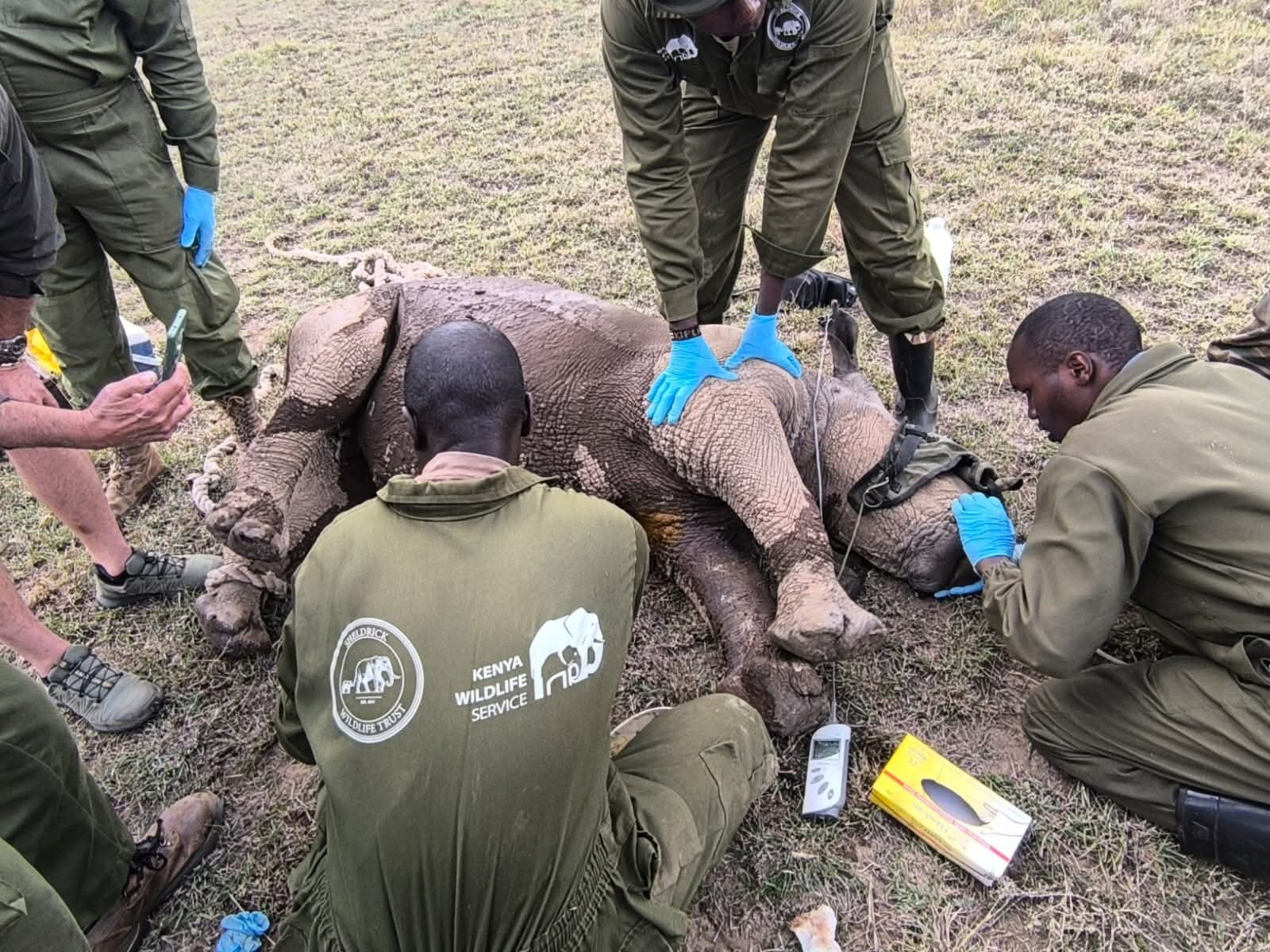
On Good Friday, the Mara Conservancy Vet Unit treated an adult male giraffe in Mara North Conservancy near Karen Blixen Camp. He struggled to move because a large swelling on his left hind limb had turned every step into pain.
When the team examined him, they found a large abscess and lanced it, releasing copious amounts of pus. They flushed the wound thoroughly, treated him with antibiotics and anti-inflammatory medication, and then released him back into the wild.
That is the heartbeat of wildlife conservation in Kenya. In the wild, there are no holidays—survival doesn’t pause, and neither does the effort to protect it.
If you love safaris, this is your invitation to travel as a partner, not just a spectator. Karibu, tutunze twiga wetu pamoja—let’s choose coexistence.
What Is Giraffe Rescue Kenya? (The Experience)
Giraffe rescue Kenya means rapid veterinary response and long-term protection for giraffes facing injuries, snares, spears, disease, or habitat pressure. It also includes community education and conservation funding that keeps wildlife landscapes connected and safe.
You may never see the rescue itself, yet you will feel its impact when you watch a giraffe stride across the plains with calm confidence. The air smells of sun-warmed grass, and the soundscape shifts from cicadas to distant lion calls as dusk lands softly on the Mara.
In places like the Mara North Conservancy, a single timely intervention can change the future of an animal and the integrity of the ecosystem. Consequently, your safari dollars can become part of the solution when you choose ethical operators and conservation-led stays.
Why You Must Experience Giraffe Rescue Kenya
Giraffe rescue Kenya adds purpose to luxury travel, because it connects your trip to real outcomes in the wild. You still enjoy private guides, fine dining, and sundowners, but you also understand how protection actually happens on the ground.
Moreover, seeing conservation in action makes every game drive more meaningful. You stop counting species and start noticing behaviors, habitats, and the invisible work that keeps wildlife thriving.
This is different from a standard safari because it focuses on coexistence and responsibility, not only sightings. It celebrates iconic moments—like giraffes browsing on acacia—while also acknowledging threats like spear or arrow injuries, snaring, and conflict at wildlife borders.
If you want the Mara to feel wild and abundant for generations, you need travel choices that reward guardianship. That’s why giraffe rescue Kenya belongs on your Kenya bucket list.
When Is the Best Time to Visit Giraffe Rescue Kenya?
Kenya offers year-round safari travel, although seasons shape visibility, road conditions, and the rhythm of wildlife. Generally, the dry seasons deliver easier viewing around water and more predictable game drives.
June to October is classic: crisp mornings, open grass, and high wildlife density, especially in the Mara ecosystem. However, November to May can be lush, green, and dramatic, with fewer crowds and excellent photography light after rain.
- January: Clear skies, great visibility, and strong predator action on open plains.
- February: Warm and dry, ideal for long game drives and golden-hour photos.
- March: Transition to rains; landscapes turn green and prices can soften.
- April: Wettest period in many areas; choose top camps with solid access roads.
- May: Rains ease; greenery remains, and birdlife is vibrant.
- June: Dry season begins; wildlife concentrates and roads improve quickly.
- July: Peak safari energy; the Mara ecosystem shines with big herds and drama.
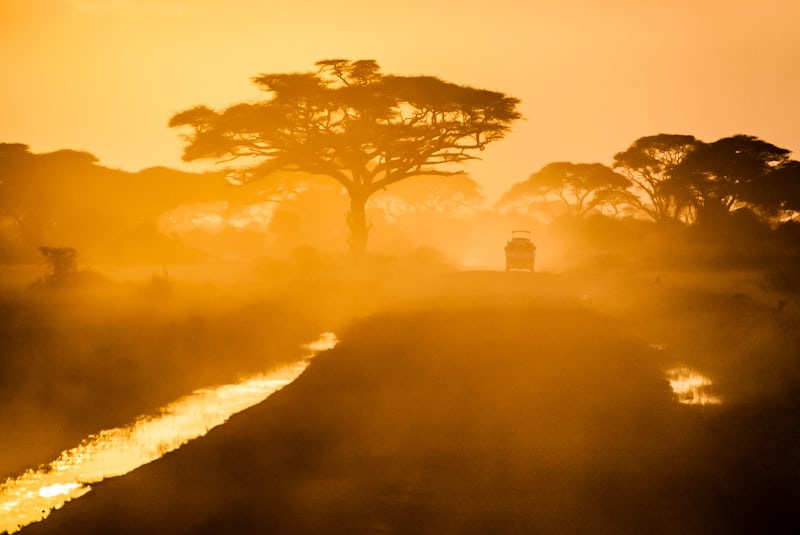
- August: Excellent for iconic Mara scenes and long, dust-lit sunsets.
- September: Consistently strong sightings, with comfortable temperatures.
- October: Warm, dry, and rewarding, especially for predators and elephants.
- November: Short rains refresh the bush; fewer vehicles, softer light.
- December: Festive season travel with good weather windows and abundant wildlife.
If your goal is to combine safari with coast, plan a Mara stay first, then fly to the beach for a slow exhale. Quest of africa can help you thread both experiences seamlessly through Kenya.
Where to Go: Top Locations & Camps
Start with the greater Maasai Mara ecosystem, because it holds strong giraffe habitat and active conservation work. Explore options across our Kenya safari destinations so you can match landscapes, crowd levels, and guiding style to your travel personality.
Mara North Conservancy stands out for its conservation model and premium feel, and areas near Karen Blixen Camp often deliver classic riverine scenery. You’ll drive through sweet-smelling croton thickets, then emerge into plains where giraffes float above the horizon like living lookout towers.
For broader planning, Kenya’s official tourism inspiration is strong, and you can cross-check regional highlights on Magical Kenya while you design your route. Additionally, if you’re pairing Kenya with a Tanzania extension, official updates and park guidance from Tanzania Tourism can help you time border and flight logistics.
Private conservancies typically limit vehicle numbers, which improves sightings and the feeling of exclusivity. As a result, you often get longer, quieter encounters with giraffes, elephants, and big cats—without a crowd pressing in.
If you want a curated selection of high-comfort stays, browse our Kenya safari packages and tell us what “luxury” means to you. Some travelers want plunge pools and spa treatments, while others want top guiding and a quiet tent that lets the night sounds pour in.
What to Expect: Wildlife & Experiences
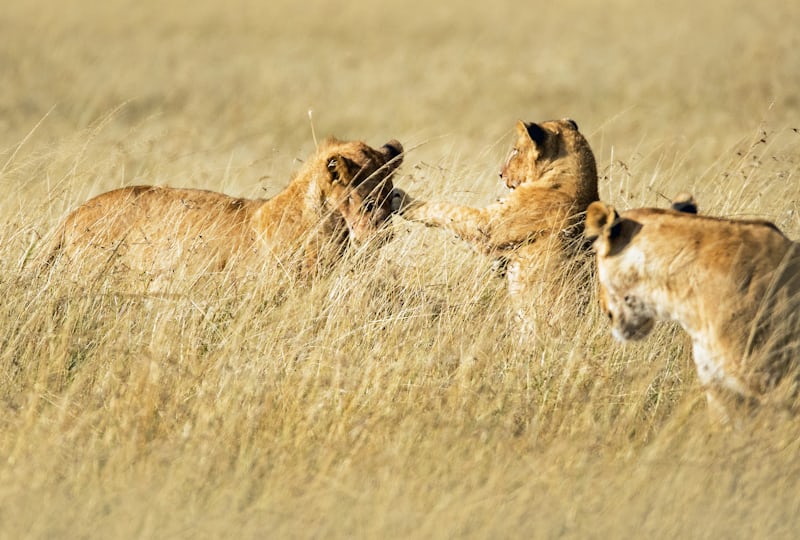
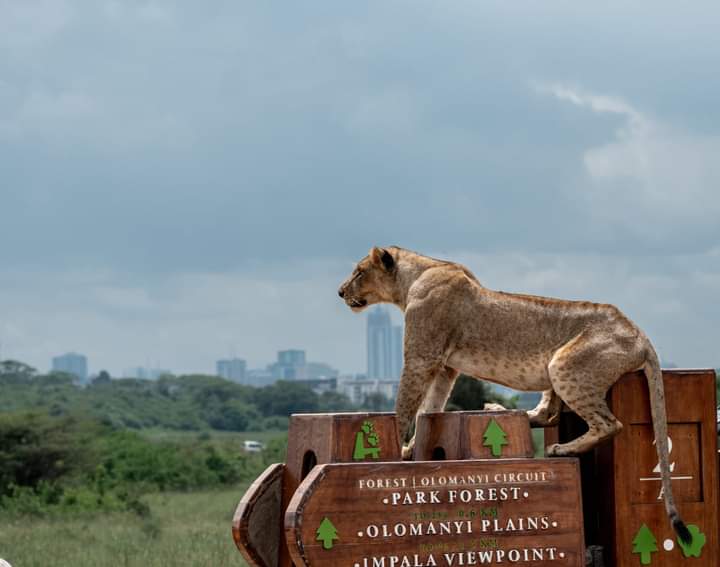
Giraffes are the headline here, yet the Mara ecosystem delivers an entire orchestra of wildlife. You can expect elephants dust-bathing at midday, lions melting into grass shadows, and hyenas whoop-laughing after dark.
You’ll also see plains game that supports the whole food chain, including zebra, wildebeest, impala, and topi. Meanwhile, birdlife adds color and sound—rollers flashing blue, hornbills hopping through branches, and eagles scanning from above.
Game drives feel cinematic, but they’re also intimate when your guide slows down and reads tracks like a story. Consequently, giraffe rescue Kenya becomes more than a concept, because you start noticing old scars, limps that healed, and the sheer resilience of wild animals.
Ask for experiences that deepen your conservation connection, such as talks with camp naturalists or community visits where appropriate. However, keep it respectful and low-impact, because the best tourism protects dignity as much as it protects wildlife.
For planning inspiration and traveler reviews, you can compare routes and seasons on Safari Bookings. It’s a useful way to sanity-check drive times, park combinations, and what “good value” looks like at different comfort levels.
Practical Travel Tips: What to Bring & Do
Pack smart and travel gently, because your comfort and the animals’ well-being go together. Use these tips to keep your safari smooth and conservation-friendly.
- Bring neutral layers for chilly dawn drives and warm afternoons, and add a light rain shell in shoulder seasons.
- Carry binoculars and a camera with a zoom lens, because giraffe behavior is fascinating at a distance.
- Choose reef-safe sunscreen and a brimmed hat, since equatorial sun feels stronger than expected.
- Pack a small day bag with tissues, hand sanitizer, and a reusable water bottle to reduce plastic waste.
- Tip guides and camp staff fairly, because you support local livelihoods that reinforce coexistence.
- Avoid loud drones and flash photography, since they stress wildlife and disrupt natural behavior.
- Learn a few Swahili phrases like “asante” and “karibu,” because it opens doors warmly.
- For broader Africa travel planning and packing lists, consult Lonely Planet Africa and then tailor it to Kenya’s seasons.
If you want your trip to directly align with giraffe rescue Kenya values, prioritize camps that support conservancies and vet work. Also ask where their conservation fee goes, because transparent answers matter.
How to Get There: Step-by-Step
Most international travelers fly into Nairobi (NBO), then connect to the Maasai Mara by a short scheduled flight to an airstrip near their camp. This route saves time, keeps you fresh, and gets you into the wild faster.
Alternatively, you can drive from Nairobi, which takes longer but adds scenery and cultural context along the way. However, choose reliable vehicles and experienced drivers, because road conditions vary by season.
For a seamless plan, start with our Kenya safaris collection and tell us your preferred pace. Then we’ll align flights, conservancy access, and camp choices to your comfort level and wildlife priorities.
If you’re adding beach time, connect from the Mara back to Nairobi, then fly to Diani, Watamu, or Lamu. That contrast—dusty sunsets to salty sea air—feels like two perfect vacations stitched into one.
Your Perfect Itinerary
This sample blends wildlife, conservation awareness, and indulgent comfort. You can stretch or compress it based on your flight schedule and the level of exclusivity you want.
1) Day 1: Arrive in Nairobi
Settle into a boutique hotel and enjoy a relaxed dinner, because jet lag hits differently after long-haul flights. If time allows, do a light city tour and sleep early for an easy start.
2) Day 2: Fly to the Mara ecosystem
Take a morning flight to the Mara, then enjoy your first game drive as the afternoon light turns honey-gold. That evening, listen to your guide explain how conservancies and vet teams support giraffe rescue Kenya outcomes.
3) Day 3: Full-day safari in Mara North Conservancy
Track giraffes through riverine woodland and open plains, then pause for breakfast in the bush. In the afternoon, focus on predators and learn to read the landscape like a map of survival.
4) Day 4: Conservation-focused safari day
Ask your camp about conservation briefings, local community partnerships, and how they respond to wildlife incidents. This is where the phrase “In the wild, there are no holidays—survival doesn’t pause, and neither does the effort to protect it.” stops being words and becomes reality.
5) Day 5: Final game drive + fly to the Kenyan coast
Enjoy a sunrise drive when the air is cool and the plains smell clean and green. Then fly to the coast and feel the humidity soften your shoulders as the Indian Ocean appears.
6) Day 6: Beach day with optional cultural experiences
Spend the morning swimming or snorkeling, then enjoy a long seafood lunch. Later, consider a dhow cruise or a quiet walk on the sand at sunset.
7) Day 7: Depart Kenya or extend your stay
If you can, add two extra nights for pure rest, because luxury is also time. Otherwise, connect back to Nairobi and fly home with your camera full and your heart changed.
Final Thoughts
Giraffe rescue Kenya reminds you that every magical safari moment rests on daily protection, fast veterinary action, and community-led coexistence. If you want your Kenya trip to feel thrilling, elegant, and ethically grounded, choose camps and routes that support conservation where it matters most.
Plan your journey with Quest of africa today, and let’s travel in a way that keeps Kenya wild—book your safari here.