
Community wildlife conservation is the foundation of sustainable tourism and environmental protection in Kenya. When communities, conservation organizations, and wildlife authorities work together, lives are saved — both human and animal.
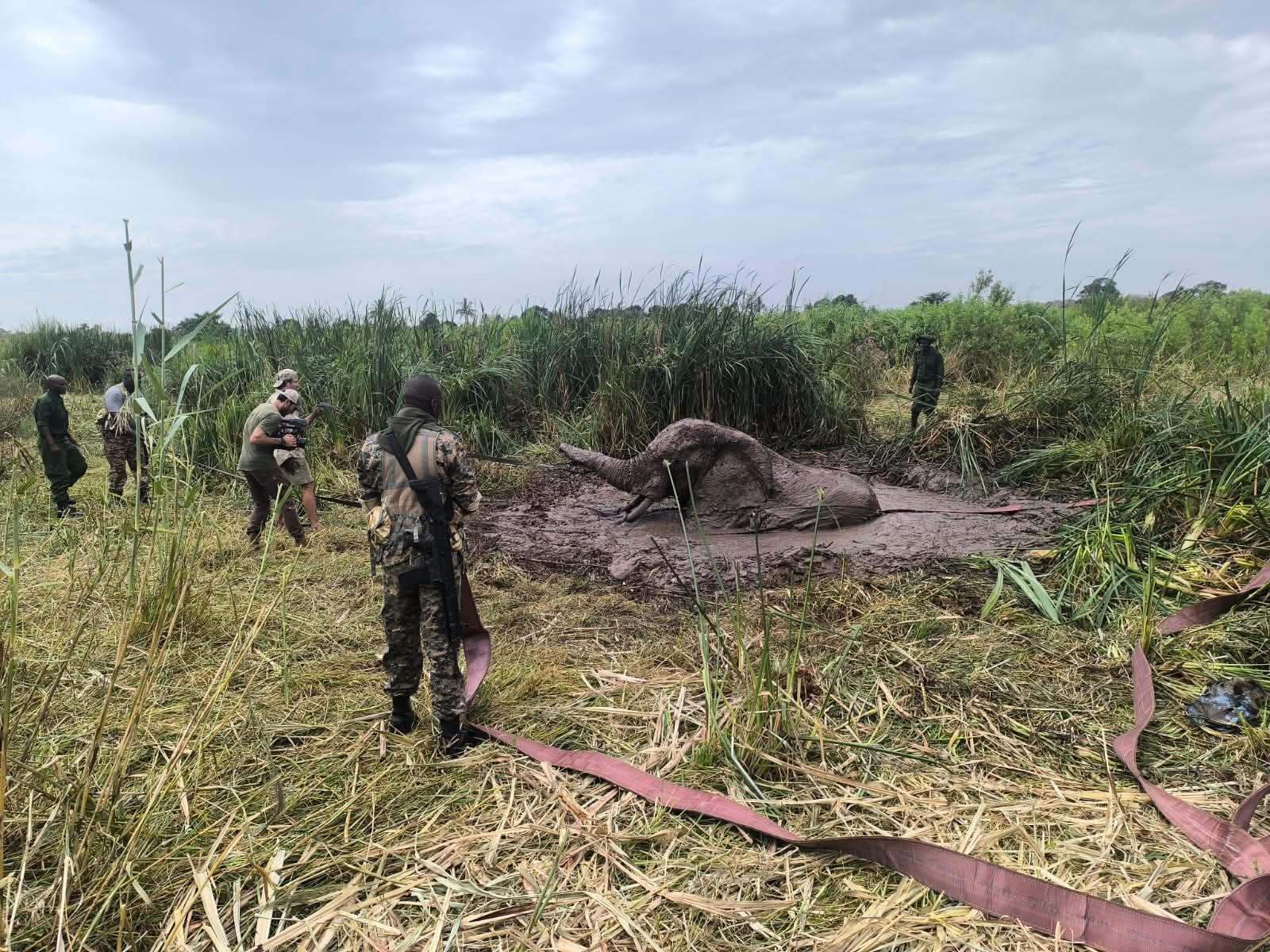
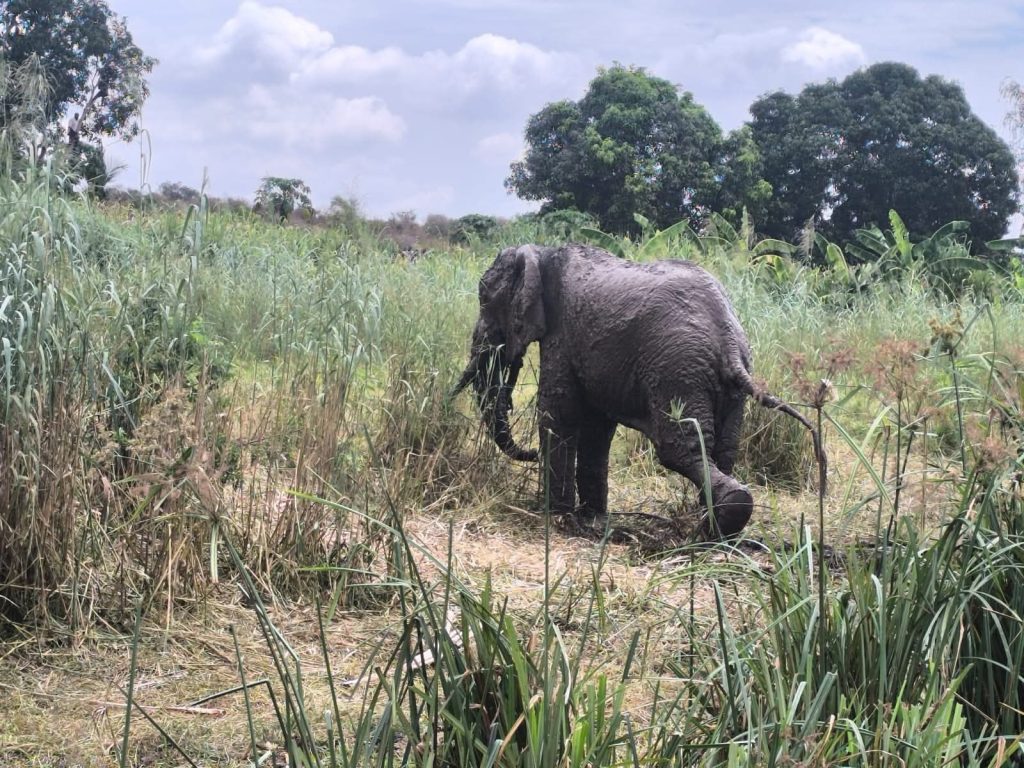
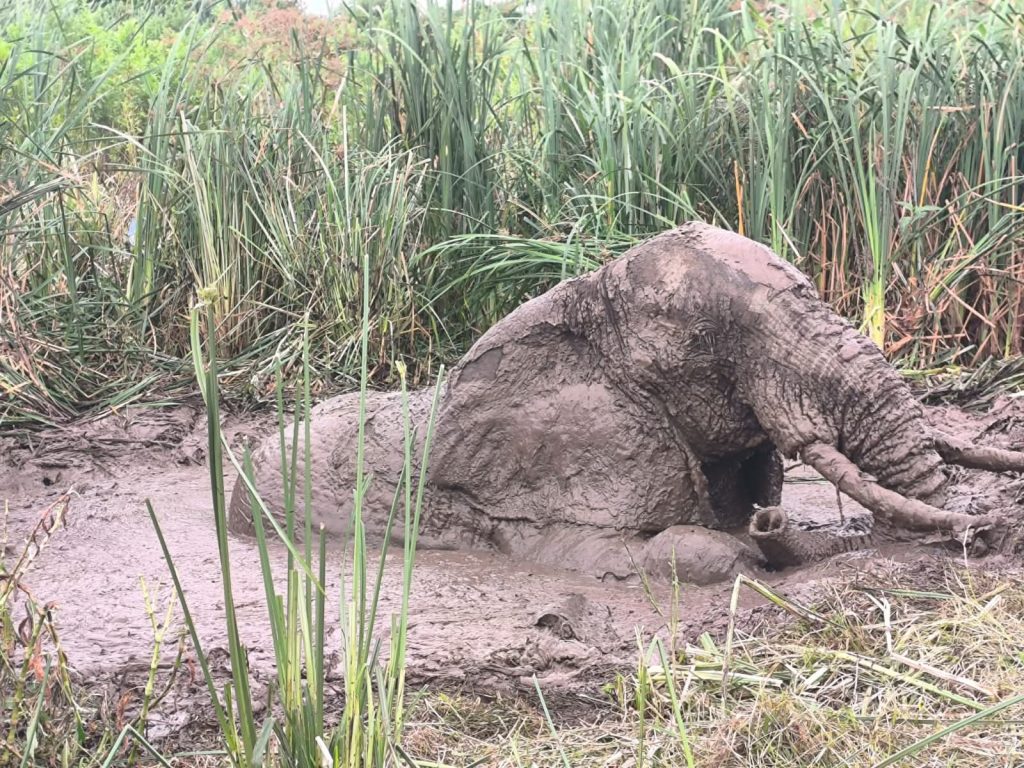
Recently, along River Galana, a dramatic rescue unfolded. Following reports of an elephant trapped in mud, rescue teams from Kenya Wildlife Service (KWS), in partnership with Sheldrick Wildlife Trust and the local community, successfully freed the struggling elephant. The animal was safely rescued, treated, and monitored to ensure it moved away from nearby homes.
This rescue was not just about saving one elephant — it was a powerful example of community wildlife conservation in action.
At Quest of Africa Adventures, we believe that every safari experience should celebrate and support conservation efforts that protect Kenya’s natural heritage.
Community Wildlife Conservation and the River Galana Elephant Rescue
Community wildlife conservation works best when information flows quickly between residents and authorities. In this case, local community members reported the trapped elephant, allowing rapid intervention.
The rescue involved:
- Coordinated field response teams
- Veterinary supervision
- Community crowd management
- Post-rescue monitoring
Thanks to swift action by Kenya Wildlife Service and Sheldrick Wildlife Trust, the elephant was successfully freed from the mud along River Galana.
This incident highlights the importance of partnerships. Conservation is not the responsibility of one organization alone — it is a shared mission between government agencies, NGOs, and local communities.
Promoting Community Wildlife Conservation Through Human-Wildlife Coexistence
Human-wildlife coexistence is a key pillar of community wildlife conservation. As human settlements expand closer to wildlife habitats, the potential for conflict increases. However, through education, awareness campaigns, and quick response systems, peaceful coexistence becomes achievable.
During the River Galana rescue operation, conservation teams also educated the public on:
- Safe distance practices around wildlife
- Reporting wildlife emergencies promptly
- Preventing human-wildlife conflict
- Protecting natural habitats
KWS encourages the public to report wildlife incidents via:
- 24/7 Toll-Free Line: 0800 597 000
- WhatsApp: 0726 610509
These reporting systems strengthen community wildlife conservation by ensuring timely intervention and minimizing risks.
For official information about conservation efforts, visit:
👉 https://www.kws.go.ke/
You can also learn more about rescue and rehabilitation work here:
👉 https://www.sheldrickwildlifetrust.org/
Why Community Wildlife Conservation Matters for Safari Tourism
Community wildlife conservation directly impacts safari experiences across Kenya. Destinations promoted by Quest of Africa Adventures thrive because ecosystems remain healthy and wildlife populations are protected.
When communities participate in conservation:
- Wildlife corridors remain safe
- Poaching decreases
- Local livelihoods improve
- Tourism becomes sustainable
As a responsible travel company, Quest of Africa Adventures promotes ethical safaris that align with conservation principles. Explore our safari packages here:
👉 https://questofafrica.tourafriqueorientale.africa/
By choosing responsible safari operators, travelers actively support community wildlife conservation.
Community Wildlife Conservation and Rapid Response Systems in Kenya
Rapid response systems are critical in conservation. Without immediate reporting, trapped or injured animals may not survive. The River Galana elephant rescue demonstrates how collaboration and preparedness save lives.
The partnership between Kenya Wildlife Service, Sheldrick Wildlife Trust, and local residents reflects a model that can be replicated across conservation zones in Kenya.
Community wildlife conservation thrives when:
- Local residents feel empowered
- Authorities respond swiftly
- Awareness programs educate communities
- Tourism supports conservation funding
This approach ensures both people and wildlife remain safe.
How You Can Support Community Wildlife Conservation
You can play a role in strengthening community wildlife conservation by:
- Reporting wildlife emergencies immediately.
- Supporting conservation organizations.
- Choosing responsible safari companies.
- Spreading awareness about human-wildlife coexistence.
Every action counts. Every report matters. Every rescue strengthens Kenya’s conservation legacy.